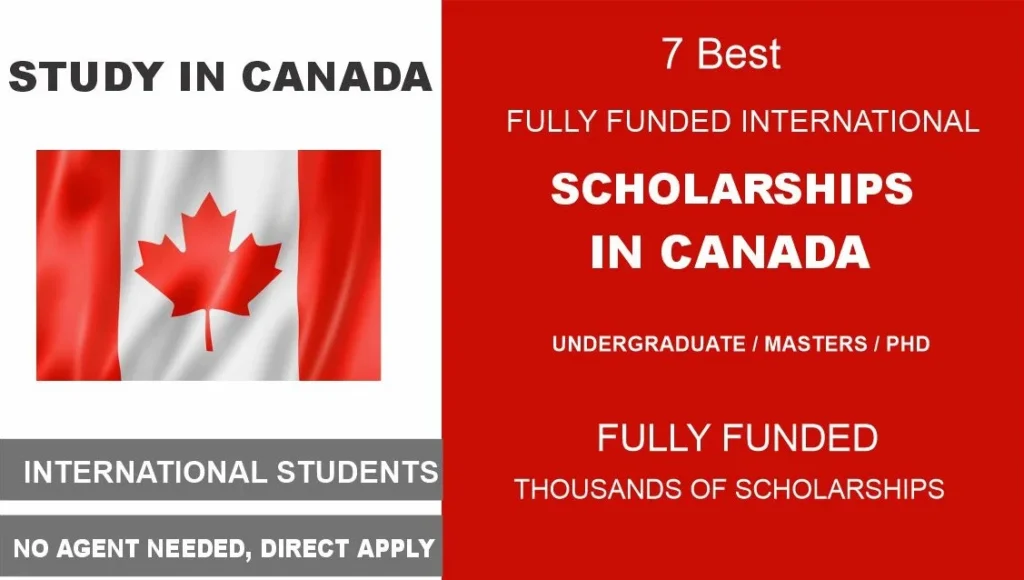
Canada Admission for International Students – Study in Canada:
Picture starting your mornings with the breathtaking backdrop of snow-capped mountains, attending lectures in state-of-the-art facilities, and becoming part of a vibrant, welcoming community.
This is not just a dream, it’s the reality of studying in Canada. More than a degree, Canada offers a lifestyle rich with opportunities: from post-graduation job prospects to clear pathways toward permanent residency, your education becomes a launchpad for your future.
With world-class universities, groundbreaking research, and diverse communities, your time in Canada promises to be as rewarding outside the classroom as it is inside. This guide walks you step by step through everything you need to know to make your Canadian study dream a reality.
Why Study in Canada?
Canada isn’t just another destination on the map; it’s a springboard for your education and career. Here’s why it stands out:
- World-Class Education: Canadian universities such as the University of Toronto, McGill University, and the University of British Columbia consistently rank among the best worldwide. Degrees emphasize innovation, practical learning, and global recognition.
- Multicultural and Welcoming Society: Home to students from over 200 nations, Canada fosters inclusion and celebrates diversity. You’ll build lifelong friendships and a global network while feeling valued and supported.
- Bilingual Advantage: As an officially bilingual country, Canada gives you the chance to learn or strengthen English and French — a major boost in international business, diplomacy, and translation.
- Affordable Quality of Life: Compared to other top destinations like the US or UK, Canada offers a high standard of living at more reasonable costs.
- Work While You Study: International students can work up to 20 hours a week during semesters and full-time during breaks, helping with expenses and building Canadian work experience.
- Post-Graduation Work Opportunities: The Post-Graduation Work Permit (PGWP) allows you to work in Canada for up to three years after graduation — a perfect gateway to valuable experience.
- Pathway to Permanent Residency: Programs like Express Entry reward Canadian education and work experience, making it easier to transition from student to permanent resident.
- Research and Innovation: Canada leads in cutting-edge fields like AI, quantum computing, and climate science. You’ll have the chance to contribute to transformative research.
- Natural Beauty and Safety: From the Rocky Mountains to the Northern Lights, Canada offers unmatched outdoor adventure in one of the world’s safest and most stable environments.
Key Steps to Apply as an International Student
1. Select Your Institution and Course
- Research universities, program strengths, and rankings.
- Consider location, climate, co-op programs, scholarships, and cost of living.
2. Understand Admission Requirements
- Undergraduate: High school diploma.
- Graduate: Bachelor’s degree.
- Language proficiency: IELTS, TOEFL, or Duolingo English Test (for English programs); DALF or TEF (for French).
- Additional documents: transcripts, recommendations, statement of purpose, and portfolios for specific programs.
3. Application Process
- Check deadlines and gather documents early.
- Apply via the university portal or provincial systems like OUAC (Ontario).
- Pay application fees and track your status.
4. Student Visa (Study Permit)
- Obtain an acceptance letter from a Designated Learning Institution (DLI).
- Apply to Immigration, Refugees and Citizenship Canada (IRCC) with proof of funds, a passport, and biometrics.
- Submit medical or police certificates if required.
- Apply as soon as you receive your offer to avoid delays.
5. Explore Scholarships and Financial Aid
- Look into entrance scholarships, Vanier Canada Graduate Scholarships, provincial awards, or private funding.
- Start your search early and consult your university’s international office.
6. Plan Your Accommodation
- On-campus: dorms or university residences.
- Off-campus: private apartments or homestays.
- Apply early and research neighborhoods carefully.
7. Prepare for Your Arrival
- Pre-departure checklist: valid study permit, proof of funds, health insurance, and weather-appropriate clothing.
- After arrival: attend orientation, open a Canadian bank account, and get a local phone plan.
8. Manage Living Expenses
- Tuition (annual): CAD 20,000–30,000 (undergraduate), CAD 16,000–20,000 (graduate).
- Living costs vary by city; budget for accommodation, food, and transport.
- Use student discounts, cook at home, and consider shared housing to save money.
9. Secure Health Insurance
- Enroll in your province’s health insurance plan or a private plan through your university.
- Understand what’s covered and how to access care.
10. Opportunities After Graduation
- Apply for the PGWP to gain up to three years of Canadian work experience.
- Use Express Entry for a smooth transition to permanent residency.
Starting your journey to study in Canada is more than enrolling in a university; it’s stepping into a future full of possibilities. From choosing your ideal program to understanding visa procedures and post-graduation options, this guide provides the roadmap to turn your dream into reality.